Bringing home a puppy is exciting, emotional, and sometimes a little overwhelming. Puppies are cute, playful, and full of curiosity, but they also need structure, patience, proper nutrition, training, vaccines, and a safe home environment.
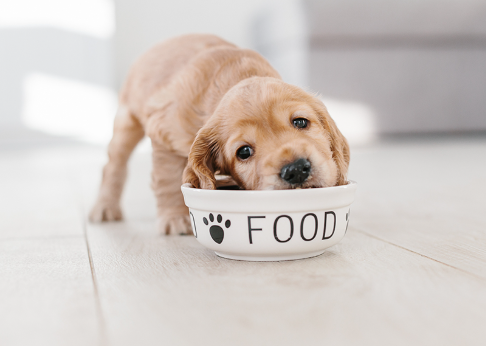
For many new dog owners in the United States, the first few months can feel confusing. How often should a puppy eat? When should training begin? Why does a puppy cry at night? How much sleep is normal? These are common questions, especially if this is your first dog.
In this guide, maxtech247.net explains the basics of puppy care, including puppy development stages, feeding, house training, behavior, sleep, vaccination reminders, and common problems new owners may face.
What Age Is Considered a Puppy?
A dog is generally considered a puppy from birth until it reaches physical and emotional maturity. The exact timeline depends on the breed and size of the dog.
Small breeds may mature faster, sometimes around 10 to 12 months. Large and giant breeds may continue growing for 18 to 24 months or even longer.
However, the most sensitive puppy stage usually begins at birth and continues through the first several months of life. During this period, puppies learn how to interact with people, other dogs, household sounds, routines, and their environment.
This early stage is important because it shapes behavior later in life. Gentle handling, positive training, proper socialization, and veterinary care can help your puppy grow into a confident adult dog.
Puppy Development Stages
Understanding your puppy’s growth stages can make care and training much easier. Puppies change quickly, and each stage comes with different needs.
Newborn to 8 Weeks
During the first weeks of life, puppies depend heavily on their mother. They need warmth, milk, sleep, and a safe place to grow.
By the time puppies approach 6 to 8 weeks old, they become more curious and start exploring the world. This is also the time when they begin learning social behavior from their mother and littermates.
In the United States, many puppies go to new homes around 8 weeks of age. Puppies should not be separated from their mother too early unless there is a health or rescue situation that requires special care.
At this stage, puppies need gentle handling, a quiet sleeping area, age-appropriate food, and their first veterinary visits.
8 to 12 Weeks
This is one of the most important stages for a new puppy owner. Your puppy is adjusting to a new home, new people, new smells, and new routines.
Start with simple training right away. You can begin teaching the puppy their name, crate comfort, potty habits, and basic commands such as “sit” and “come.”
Keep training sessions short and positive. Puppies have short attention spans, so a few minutes at a time is enough.
This is also a key period for socialization. Your puppy should gradually experience different sounds, surfaces, people, and safe environments. However, avoid unsafe public areas until your veterinarian says your puppy is properly protected by vaccines.
3 to 4 Months
At this age, puppies often become more active and confident. They may also start testing limits. Biting, chewing, jumping, and ignoring commands are common.
This does not mean your puppy is “bad.” It means they are learning. Consistent rules are important.
Puppies may also begin teething around this period. Teething can make them chew furniture, shoes, hands, or anything within reach. Provide safe chew toys and redirect chewing calmly.
House training should continue with a regular schedule. Take your puppy outside after waking up, after eating, after playing, and before bedtime.
4 to 6 Months
Between 4 and 6 months, many puppies grow quickly and may become more energetic. Some may go through a fear period, where they suddenly become nervous around things they previously accepted.
If your puppy becomes afraid of a sound, person, or object, do not force them harshly. Use calm encouragement, treats, and distance. Let them build confidence slowly.
Training should become more consistent at this stage. Practice leash walking, polite greetings, waiting before meals, and coming when called.
6 to 12 Months
At this age, puppies enter adolescence. This stage can be challenging. A puppy may seem to “forget” training, become more independent, or have bursts of energy.
Hormonal changes may also appear if the dog has not been spayed or neutered. Talk with your veterinarian about the best timing for spaying or neutering based on your dog’s breed, size, and health.
Exercise, training, and mental stimulation are very important during this period. A bored adolescent dog may chew, bark, dig, or become destructive.
1 to 2 Years
Many dogs become socially mature between 1 and 2 years old. Large breeds may still be developing physically during this time.
At this stage, your dog may need more advanced training, regular exercise, and continued structure. Good habits built during puppyhood will make adult life much easier.
Senior Dogs
Although this guide focuses on puppies, it is useful to understand the full life cycle. Dogs usually enter their senior years around 7 years old, though this varies by size and breed.
Senior dogs may move more slowly, sleep more, eat less, or develop health concerns. Early care during puppyhood can support better long-term health.
How to Train a Puppy
Puppy training should begin as soon as your puppy comes home. Training does not need to be strict or complicated. The goal is to teach your puppy what behavior is expected in a kind and consistent way.
Use Positive Reinforcement
Positive reinforcement means rewarding your puppy for good behavior. Rewards can include treats, praise, toys, or gentle affection.
For example, if your puppy sits calmly instead of jumping, reward that behavior. If your puppy goes potty outside, praise immediately.
Avoid yelling, hitting, or scaring your puppy. Harsh punishment can create fear, anxiety, and behavior problems. Puppies learn best when training feels safe and predictable.
Teach Basic Commands
Start with simple commands such as:
Sit
Stay
Come
Down
Leave it
Drop it
Keep sessions short. Five minutes of focused training is often better than a long session that makes your puppy tired or frustrated.
Practice in quiet places first, then slowly add distractions.
Potty Training
Potty training is one of the biggest priorities for new puppy owners.
Take your puppy outside frequently, especially after meals, naps, playtime, and waking up. Choose one potty area if possible. When your puppy goes in the right place, reward immediately.
Accidents will happen. Clean them with an enzyme-based cleaner so the smell does not encourage repeat accidents.
Do not punish a puppy for accidents after the fact. They will not understand why you are upset. Instead, improve the schedule and supervision.
Crate Training
A crate can help with safety, sleep, and potty training when used correctly. It should never be used as punishment.
Make the crate comfortable with a soft bed or blanket. Let your puppy explore it with the door open. Feed meals near or inside the crate to create a positive connection.
Start with short periods and slowly increase time. A properly introduced crate can become a safe resting place for your puppy.
Leash Training
Introduce the collar or harness gently. Let your puppy wear it indoors first before going on walks.
At first, leash walking may feel strange to a puppy. Use treats and encouragement. Reward your puppy for walking beside you and checking in with you.
Avoid pulling hard on the leash. Training should teach cooperation, not fear.
What Should Puppies Eat?
Puppies need food made specifically for growth. Puppy food contains the calories, protein, fat, vitamins, and minerals needed for development.
Choose a high-quality puppy food appropriate for your dog’s expected adult size. Large-breed puppies may need special large-breed puppy formulas to support healthy bone growth.
Feed meals on a schedule rather than leaving food out all day. Young puppies usually need more frequent meals, while older puppies can gradually move to fewer meals.
A common feeding pattern may look like this:
8 to 12 weeks: 3 to 4 meals per day
3 to 6 months: 3 meals per day
6 to 12 months: 2 meals per day
Your veterinarian can help adjust portions based on weight, breed, body condition, and growth rate.
Can Puppies Drink Milk?
Many people think puppies should drink cow’s milk, but this is not always a good idea. Some puppies cannot digest lactose well, and milk may cause diarrhea, gas, or stomach upset.
If a puppy is too young to eat solid food and does not have access to the mother, a veterinarian may recommend a puppy milk replacer. This is safer than cow’s milk because it is designed for puppies.
For weaned puppies, clean water and proper puppy food are usually enough. Do not add milk unless your veterinarian recommends it.
Puppy Vaccines and Vet Care
Puppies need veterinary care early in life. Vaccines help protect against dangerous diseases such as parvovirus, distemper, adenovirus, and rabies.
A typical puppy vaccine schedule in the United States often begins around 6 to 8 weeks of age and continues every few weeks until around 16 weeks. Rabies vaccination is usually required by law, but timing can vary by state and local rules.
Puppies also need deworming, flea and tick prevention, and routine health exams. Your veterinarian can create a schedule based on your puppy’s age, lifestyle, and location.
Do not take an unvaccinated puppy to dog parks, pet store floors, or high-traffic dog areas until your vet says it is safe.
Why Do Puppies Cry at Night?
It is very common for puppies to cry during the first few nights in a new home. They have just left their mother, littermates, familiar smells, and comfort zone.
Crying does not always mean something is wrong. Your puppy may feel lonely, confused, or unsure.
To help your puppy settle, create a calm sleeping area. A crate near your bed can help the puppy feel less alone. You can also use a soft blanket, a safe chew toy, or a heartbeat-style puppy comfort toy.
Make sure your puppy has gone potty before bedtime. Young puppies cannot hold their bladder all night, so they may need a late-night potty break.
Avoid turning nighttime crying into playtime. Keep potty breaks quiet and boring, then return the puppy to bed.
Why Do Puppies Sleep So Much?
Puppies sleep a lot because their bodies and brains are growing quickly. It is normal for puppies to sleep many hours a day.
Sleep helps with growth, learning, emotional regulation, and immune health. A tired puppy may become cranky, bite more, or act wild, much like an overtired child.
Make sure your puppy has a quiet place to nap during the day. Do not force constant play or handling.
Why Do Puppies Bite Everything?
Puppy biting is normal, especially during teething. Puppies explore the world with their mouths. They also bite during play because that is how they interacted with littermates.
Redirect biting to safe chew toys. If your puppy bites your hands, stop playing for a moment and offer a toy instead.
Teach gentle mouth behavior early. Consistency is important. Everyone in the household should follow the same rules.
How to Puppy-Proof Your Home
Before bringing a puppy home, make your home safe.
Move electrical cords out of reach. Keep cleaning products, medications, chocolate, grapes, onions, and toxic plants away from your puppy. Store shoes, small objects, and children’s toys where the puppy cannot chew or swallow them.
Use baby gates to limit access to unsafe rooms. Keep trash cans covered. Make sure the yard or balcony is secure.
Puppies are curious and fast. Supervision prevents accidents.
Essential Puppy Supplies
Before your puppy arrives, prepare basic supplies.
You may need:
Puppy food
Food and water bowls
Collar or harness
Leash
Crate
Dog bed
Puppy pads if needed
Safe chew toys
Training treats
Brush or grooming tools
Enzyme cleaner
ID tag
Veterinary appointment
Having supplies ready makes the first week much easier.
Common Mistakes New Puppy Owners Make
Many new owners make the same mistakes without realizing it.
One common mistake is giving too much freedom too soon. Puppies need supervision and structure. Letting a puppy roam the whole house before potty training is complete can lead to accidents and chewing problems.
Another mistake is inconsistent rules. If jumping is allowed sometimes but punished other times, the puppy becomes confused.
Skipping socialization is also a problem. Puppies need safe, positive exposure to the world. However, socialization should be balanced with vaccine safety.
Finally, some owners expect too much too soon. Puppies are babies. They need time, repetition, and patience.
Frequently Asked Questions
When should I start training my puppy?
Start training as soon as your puppy comes home. Begin with simple routines, name recognition, potty training, crate comfort, and basic commands.
How often should I feed my puppy?
Young puppies usually need three to four meals per day. As they grow, many puppies transition to two meals per day. Your veterinarian can recommend the best schedule for your puppy.
Is it normal for a puppy to cry at night?
Yes. Many puppies cry during the first few nights because they are adjusting to a new home. A calm routine, potty breaks, and a secure sleeping space can help.
How much sleep does a puppy need?
Puppies sleep many hours a day. Sleep is important for growth and learning. If your puppy sleeps a lot but eats, plays, and acts normally when awake, it is usually not a concern.
Can puppies get rabies?
Dogs of any age can be at risk for rabies if exposed to the virus. Rabies vaccination is essential and is often required by law. Ask your veterinarian about the correct timing for your puppy.
Should I give my puppy cow’s milk?
Cow’s milk can upset a puppy’s stomach. If a puppy needs milk, use a veterinarian-recommended puppy milk replacer. Weaned puppies usually need puppy food and fresh water.
Final Thoughts
Raising a puppy takes time, patience, and consistency. The early months are full of learning for both you and your dog. With proper nutrition, gentle training, regular veterinary care, and a safe home, your puppy can grow into a healthy and well-behaved adult dog.
At yeucaytre.com, we believe new dog owners deserve clear and practical guidance. A puppy does not need perfection from you. It needs routine, kindness, structure, and daily care. When you build those habits early, you create the foundation for a strong lifelong bond.